-
 Events Programme 2026 – 2027 Hertfordshire Community Conference
Hertfordshire Community Conference
Friday, 30 October 2026, 9:00am - 3:00pm
A day of talks, a hackathon and good company, celebrating 52 years of BCS in Hertfordshire.
Fourteen speakers across two tracks, from mainframes and robotics to AI agents and digital inclusion. Open to everyone, whether or not you’re a BCS member, with cheaper tickets for members and students.
Tickets
Book with the button at the top of this page. Seats at the venue are limited, so book early.
At the venue
Online
Hosted by the University of Hertfordshire

For the second year running, the University of Hertfordshire is our venue partner. It’s a relationship that goes back to the 1990s, when the branch first began meeting on campus. Thank you to the university for continuing to support us.
This year’s rooms suit the day’s format: a large hall to bring everyone together, smaller rooms for talks you can take part in, and a space set aside for the hackathon.
Where: Main Building, College Lane campus, University of Hertfordshire, Hatfield. The full address is in the event details at the top of this page.
Programme
Talks run in two rooms at once, each 30 minutes, so you can switch rooms between sessions. Shuffle Room 2 is the smaller room, so arrive early for talks there.
C152 – Shuffle Room 1
Beyond Answers. From Thinking to Doing.
Artificial Intelligence · Professional Standards
Sujatha BalajiFounder, Datum AI Labs | Co-founder, Stynt.ai | Technical Architect, Derbee Agentic Studio
How enterprises move from AI assistants to agents that reason over business context, use tools and take action, with governance built in.
Read the full abstract
Generative AI has transformed how we search, create and interact with information. The next evolution is Enterprise Agentic AI — where AI moves beyond answering questions to understanding goals, reasoning over context, using enterprise knowledge, interacting with tools and APIs, and taking actions within business workflows.
This session explores how organisations can move from traditional AI assistants and copilots towards intelligent agent-driven business applications, covering the evolution from AI Assistants to Enterprise Agentic AI, what makes a system truly agentic, using RAG and enterprise knowledge (MCP, integration layers) to ground agents in business context, single- and multi-agent architectures, human-in-the-loop governance and auditability, and practical enterprise use cases across recruitment, financial services, customer operations and workflow automation.
Drawing on her work architecting Derbee Agentic Studio and applying the Derbee Agentic layer within Stynt.ai, Sujatha will share a practical perspective on embedding intelligent agents into applications as a reusable data, intelligence and workflow orchestration layer.
Key takeaway: Beyond Answers → Into Reasoning → Into Decisions → Into Action.
LC152 – Shuffle Room 2
From Qualification to Capability: What Students Need Beyond the Classroom
Education & Skills
Patricia “Trisha” OrjiData/AI Analyst
The gap between a qualification and being ready for work, and what students need beyond the classroom to close it.
Read the full abstract
This session explores the gap between academic learning and workplace readiness — covering practical experience, confidence, communication, mentoring, professional communities, and stronger collaboration between education and industry, to help students move from qualification to real workplace capability.
Main Hall Foyer
Hackathon brief
10:00 – 10:30
C152 – Shuffle Room 1 · Intermediate
Why AI Isn’t Delivering: The Missing Link Between Intelligence and Real Business Impact
Artificial Intelligence · Data Foundation for AI
Muhammad ToqeerData & AI Manager, EG On The Move
Why so many AI projects produce insight but not results, and a practical framework for turning AI output into decisions and measurable business impact.
Read the full abstract
Artificial Intelligence has become a strategic priority for organisations across every industry, yet many AI initiatives continue to struggle in delivering meaningful business outcomes. While businesses are generating more intelligence than ever through predictive models, Generative AI, and advanced analytics, the expected improvements in operational performance, efficiency, and commercial value often remain elusive.
This session explores the critical gap between AI-generated insight and real-world execution. Rather than focusing solely on models and technology, it examines why successful AI adoption depends on strong foundations in data, enterprise architecture, governance, and operating models. Through a practical business case, the session demonstrates where AI initiatives typically break down, why intelligence alone is not enough, and how fragmented workflows, disconnected systems, and unclear decision ownership prevent organisations from realising value.
Attendees will gain a practical framework for designing AI systems that do more than generate recommendations—they enable timely decisions, integrate seamlessly into business processes, and drive measurable outcomes. The session concludes with actionable guidance on how organisations can move beyond AI experimentation to build scalable, trusted, and business-focused AI capabilities that deliver sustainable impact.
LC152 – Shuffle Room 2 · Intermediate
Beyond Building Agents: Why Harness Design and Optimisation Matter
Artificial Intelligence · Tech & Society · Professional Standards
Renuka KelkarAI Instructor, Multiverse
Building an agent is only step one. How to design the harness around it so it stays reliable, efficient and affordable in production.
Read the full abstract
Building an AI agent is only the first step. A real agent needs a strong harness around it — the system that controls how the agent thinks, uses tools, manages memory, handles errors, tracks cost, and responds safely.
Without a good harness, even a powerful model can become expensive, slow, unreliable, or difficult to debug. This is why agent optimisation is so important.
In this session, we will explore how to design agents that are not just smart, but also practical for real-world use. We will look at how to reduce token usage, choose the right model for the right task, improve tool calling, manage context, add evaluation checks, and monitor cost before deploying agents into production.
The goal is to help developers move from “I built an agent” to “I built an agent that is reliable, efficient, and ready to use.”
C152 – Shuffle Room 1 · Intermediate
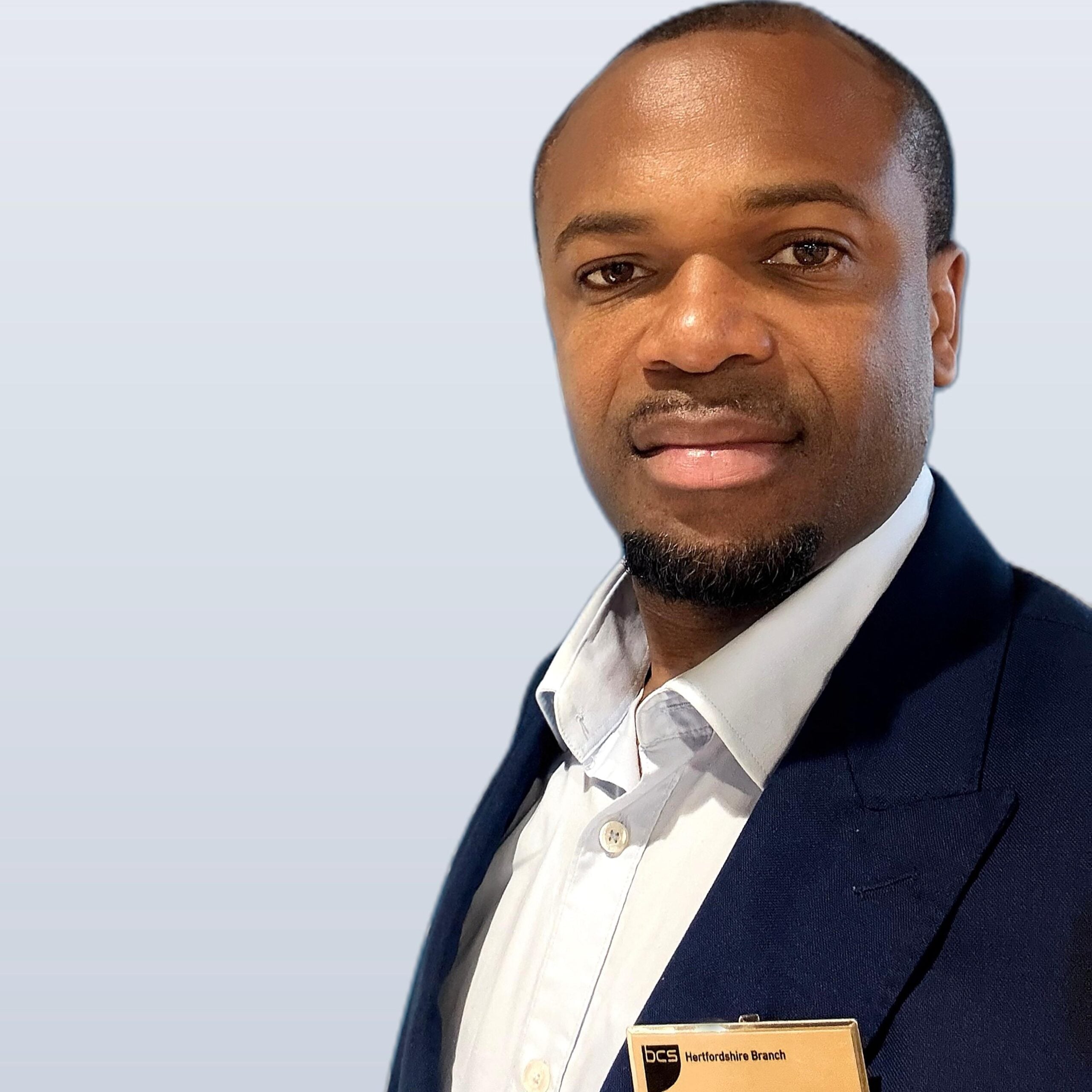
Bridging the Digital Divide in Africa: Empowering the Next Generation Through Skills
Bridging the Digital Divide · Education & Skills
Sobere OpusunjuVice Chair, BCS Hertfordshire
The digital divide in Africa is about skills and opportunity, not just connectivity. What it takes to empower the next generation.
Read the full abstract
This talk explores the reality of the digital divide in Africa—moving beyond the common narrative of limited internet access to uncover the deeper challenge: the gap in digital skills, opportunity, and inclusion. While connectivity is improving across the continent, millions of young people still lack the knowledge and pathways needed to fully participate in the digital economy.
Drawing from real-world experience in technology, community leadership, and youth engagement, Sobere Opusunju shares practical insights into how we can shift from simply providing access to creating meaningful opportunities. The session highlights the critical role of education, mentorship, and locally relevant digital skills in empowering the next generation.
Through examples and lived experiences, this talk will challenge assumptions, spark new thinking, and offer actionable strategies for individuals, organizations, and communities looking to make a tangible impact.
Attendees will leave with a clearer understanding of what it truly means to bridge the digital divide—and how they can contribute to building a more inclusive and opportunity-driven digital future for Africa.
LC152 – Shuffle Room 2
Augmented, Not Automated: Engineering AI Agents an Organisation Can Trust
Professional Standards
Yavin OwensDirector, Innovation ForumInnovation Forum
The engineering patterns that make AI agents safe to adopt, and how small open models put them within reach of charities, councils and small firms.
Read the full abstract
AI agents can now read documents, match records, draft invoices and write meeting minutes, yet most organisations cannot say what their agent is allowed to see, what it may decide, or how a mistake would be caught. Drawing on earlier data quality experience in utilities and professional services and on systems built in the INNOVATION FORUM Foundry for Innovation Forum, this talk sets out the engineering patterns that make agentic work safe to adopt: sealing sensitive data away from the model, extraction contracts with provenance, reconciliation against a single source of truth, and human authorisation before anything leaves the building. It then asks who gets left out. Open source and small language models running on modest hardware put these patterns within reach of charities, councils and small firms that cannot afford enterprise platforms, and low-code validation lets non-programmers check the results. Smaller models and processing each item only once also cut the energy and carbon cost of every task. Finally, it treats bias as an engineering control: statistical bias in the data is measured, behavioural bias in the people using it is governed, and every decision can still be traced to a person.
LB216 – Hackathon
Round 1
11:00 – 12:15
C152 – Shuffle Room 1 · Beginner
Behind Every Card Swipe: The Hidden Economics of the Mainframe
Education & Skills · Tech & Society · Professional Standards
Meena ChandMainframe Performance & Capacity Graduate Analyst, SMT Data
A plain-English guide to the mainframes behind every card payment, why “legacy” is the wrong word, and the skills gap opening up for new starters.
Read the full abstract
Most people use a mainframe every day without knowing it – when you tap your card, book a flight, or take cash out of an ATM, a mainframe is often doing the work behind the scenes. This talk explains what a mainframe actually is, in plain language, and why people are wrong to think of it as old or dying. We'll look at how it's built to never go down, how it can run software from decades ago without rewriting it, and why banks and airlines still trust it with their most important systems. We'll also talk about why there's a real shortage of people who know how to work with mainframes, which is good news if you're early in your career. Right at the end, we'll touch on one surprising thing: even though mainframes are everywhere, almost nobody can clearly explain what they cost to run, and why that's starting to change.
Key takeaways: you'll understand what a mainframe really is, and why "legacy" is the wrong word for it; see why mainframes are still critical today, and why there's a growing need for new people to work on them; and learn why the cost of running a mainframe is surprisingly hard to see, and why that matters.
Why now: most people, even in tech, don't realise how much of everyday life still depends on mainframes, and a real gap is opening up as experienced staff retire. At the same time, organisations are starting to pay more attention to what these systems cost to run.
LC152 – Shuffle Room 2
AI-Driven Robotics and Humanoid Automation in Healthcare, Laboratory Research, and Industrial Systems
Artificial Intelligence · Health & Life Sciences
Nishenthaharan BalachandranFounder and Director, Nyschey Robotics and Automation
How AI-driven robots and humanoid automation are changing labs, hospitals, factories, farms and warehouses, with real-world examples.
Read the full abstract
This talk explores the development and real-world application of Artificial Intelligence–driven robotic and humanoid automation in laboratory research, healthcare environments, diagnostic systems, and industrial manufacturing. The session will discuss how intelligent automation platforms are transforming modern laboratories, hospitals, and production facilities by improving precision, safety, efficiency, and scalability.
The presentation will also cover the use of AI-controlled robotic systems in agriculture, warehouse and supply-chain operations, food production, and retail automation, demonstrating how autonomous and semi-autonomous technologies are reshaping multiple sectors. Practical examples of laboratory automation, robotic assistants, smart monitoring systems, and intelligent control platforms will be presented, together with discussion on future humanoid automation and fully autonomous research environments.
LB216 – Hackathon
Round 1 continues
C152 – Shuffle Room 1
AI, Organisational Memory and the Erosion of Information Asymmetry
IT and Society
Keith BrownCEO and Interim Director, Global Innovation ForumInnovation Forum
Could AI make organisational evidence cheap to find and challenge? Insights from research across 154 UK charities and community interest companies.
Read the full abstract
Organisations generate enormous quantities of information, yet the evidence needed to understand decisions is often fragmented across emails, meetings, systems and records. Drawing on Keith Brown's MBA research across 154 UK charities and Community Interest Companies, this talk explores how AI may reduce the effort required to find, connect, compare and challenge organisational evidence. It distinguishes model, system and governance risk while considering provenance, auditability, behavioural bias, privacy and human accountability across RPA, IPA and agentic systems, ultimately asking whether cheaper scrutiny will make governance more demonstrable or create stronger ways of controlling the organisational record.
LC152 – Shuffle Room 2
What Would I Miss? How Psychology Can Help Test AI Behaviour in a Probabilistic World
Artificial Intelligence · Software Engineering & Architecture · Design & User Experience
Chris Ambler BSc (Hons) FBCS GMBPsSAuthor
Why checking AI one answer at a time can miss bias and drift, and how psychology helps testers turn trust and fairness into evidence.
Read the full abstract
Traditional software testing developed around systems we understood as deterministic. Inputs were processed according to defined rules, and the resulting outputs could be compared with an expected result. AI makes this less comfortable because the same input may produce different answers, and several could be acceptable.
Based on the research behind my book, The Psychology of AI Decision Making (BCS Publishing, 2025), this presentation looks at what testers may miss when they examine one result at a time. A response can appear fair and perfectly reasonable on its own, but that does not tell us how the system behaves across hundreds or thousands of similar decisions. It is within that wider pattern that bias and inconsistency may begin to appear, sometimes influencing the choices people make without either the user or the tester recognising it. The data may also change over time, and with it the system's behaviour. Nothing has necessarily broken in the conventional sense, but the system operating today may no longer behave like the one originally tested.
The testing skills we already possess remain important, but what we test is changing. How do we turn apparently subjective concepts such as trust, fairness and acceptable behaviour into evidence that can be observed, measured and governed? Future testers may need to spend less time asking whether one answer is correct and more time understanding how the system behaves and whether we can prove it.
LB216 – Hackathon
Round 2 & final round
13:00 – 14:00
C152 – Shuffle Room 1
From Alert Overload to Intelligent, Autonomous Security Operations
Cyber Security
Jude PereiraOwner / Managing Director, Nanjgel IT Solutions / Defenix.AI
How AI can move security operations from alert overload to an autonomous SOC, with a practical maturity model and the governance it needs.
Read the full abstract
Security Operations Centers are facing growing volumes of alerts, increasingly sophisticated attacks and a shortage of skilled security professionals. Traditional SOCs still rely heavily on analysts to investigate alerts, correlate events and determine the appropriate response across multiple security tools.
This session explores the evolution towards the AI Autonomous Cyber SOC — where AI can continuously analyse security telemetry, correlate events, identify anomalies and attack patterns, support investigations, prioritise threats and accelerate response.
The session will examine how AI can move the SOC beyond simple automation towards an intelligent operating model in which AI assists with detection, investigation, threat hunting and response, while humans retain appropriate oversight and accountability.
It will also explore the practical challenges of autonomous security operations, including explainability, AI accuracy, access controls, governance, human-in-the-loop decision-making and determining which actions can safely be automated.
Attendees will be introduced to a practical maturity model showing the journey from traditional SOC → automated SOC → AI-assisted SOC → AI-driven SOC → governed autonomous SOC, providing a framework for organizations considering how to introduce AI into their security operations.
LC152 – Shuffle Room 2
Bridging Universities, Capital, and Real-World Projects: A Translational Framework for Impact Measurement
Bridging the Digital Divide
Dr Yaniv ProselkovCTO, AIOSInnovation Forum
A framework for tracing how university research creates practical, social and financial value, so investors and partners can back it earlier.
Read the full abstract
University research can create value long before it generates revenue, yet investors often lack ways to assess that value or identify who benefits. Dr. Proselkov will present a proposed world model for tracing how research generates practical, societal, and financial impact via the stakeholder network, following a normative-empirical approach to determining objectivity through stakeholder networks. The model connects universities, investors, practitioners, and beneficiaries, linking evidence of progress to each stakeholder’s goals and capacity to act. It explores how the same research can produce different outcomes depending on who provides funding, access, expertise, or routes to adoption. The aim is to support earlier investment and more effective coordination, with impact assessed through evidence gathered as projects develop.
LB216 – Hackathon
Round 2 & final round continue
C152 – Shuffle Room 1
Enterprise Data: Using Ontologies and Knowledge Graphs to Create a Common Language
Dr Maureen OkibeHead – Ontology & Knowledge Graphs, Lean Semantic-AI Start-up
How ontologies and knowledge graphs give an organisation one shared language for its data, without replacing the systems it already has.
Read the full abstract
Modern organisations generate and use data spread across multiple applications, databases, teams and data products. While organisations can move data between these systems, business concepts may be defined and represented differently. A customer, asset, product or transaction, for example, may have different definitions across systems or business functions. This can create ambiguity, duplication and considerable effort in reconciling data before it can be trusted and reused.
Ontologies and knowledge graphs provide a way to create a common enterprise language without replacing existing systems or forcing diverse enterprise data into a single, monolithic data model. Semantic mappings connect local data structures to shared concepts, allowing information from different systems to be integrated and kept semantically aligned. Controlled vocabularies using the Simple Knowledge Organization System (SKOS) can align different terms, synonyms and related concepts. Ontologies make business concepts, relationships and rules explicit, while constraints define what valid and consistent data should look like.
Building a common language starts with the questions an organisation needs its data to answer. These can be translated into competency questions that guide ontology design, semantic mappings, knowledge graph construction, constraint validation and inferential reasoning. The resulting knowledge can then be made available to applications, analytics and AI. This enables people, systems and AI applications to interpret and use enterprise information more consistently across organisational boundaries.
The impact can be measured through fewer conflicting or duplicated definitions, reduced manual data reconciliation and greater reuse of agreed concepts. Other measures include improved cross-system query capability, faster integration of new data sources and improved data quality. Greater traceability can also support more explainable enterprise decisions. A common enterprise language therefore goes beyond data standardisation. It provides a foundation for interoperability, governance, analytics, AI and decision intelligence, turning fragmented enterprise data into connected, contextualised and reusable knowledge.
LC152 – Shuffle Room 2
Building with a User Mindset
Design & User Experience
Sammy EmojevbeProduct Manager, MS MAXIMS UK
Why products delivered on time and on budget still fail, and the LENS framework for keeping delivery tied to real user outcomes.
Read the full abstract
Product teams can deliver a solution on time, within budget and against an agreed specification, yet still fail to create meaningful value. This happens when teams become more confident about the solution than they are curious about the user. A user mindset provides a practical way to correct that imbalance. It asks product professionals to understand the task people are trying to complete, the context in which they act, the constraints they face and the outcome that matters to them.
This session explores how a user mindset changes product delivery from discovery through to benefit realisation. It shows how user evidence can expose costly assumptions, improve prioritisation, reduce unnecessary scope and create stronger measures of success. The talk also distinguishes what users say from what they do and what changes as a result, explaining why interviews, observation and product data work best when used together.
Attendees will leave with a simple LENS framework: Listen to the user’s task and context, gather Evidence, Narrow the solution to the smallest useful change and See what happens after release. The framework can be used in backlog refinement, sprint planning, reviews and roadmap discussions to keep delivery connected to real user outcomes.
LB216 – Hackathon
Judging
14:00 – 14:30
Speakers
Select a speaker's name to jump to their talk in the programme.

Full abstract
Traditional software testing developed around systems we understood as deterministic. Inputs were processed according to defined rules, and the resulting outputs could be compared with an expected result. AI makes this less comfortable because the same input may produce different answers, and several could be acceptable.
Based on the research behind my book, The Psychology of AI Decision Making (BCS Publishing, 2025), this presentation looks at what testers may miss when they examine one result at a time. A response can appear fair and perfectly reasonable on its own, but that does not tell us how the system behaves across hundreds or thousands of similar decisions. It is within that wider pattern that bias and inconsistency may begin to appear, sometimes influencing the choices people make without either the user or the tester recognising it. The data may also change over time, and with it the system's behaviour. Nothing has necessarily broken in the conventional sense, but the system operating today may no longer behave like the one originally tested.
The testing skills we already possess remain important, but what we test is changing. How do we turn apparently subjective concepts such as trust, fairness and acceptable behaviour into evidence that can be observed, measured and governed? Future testers may need to spend less time asking whether one answer is correct and more time understanding how the system behaves and whether we can prove it.
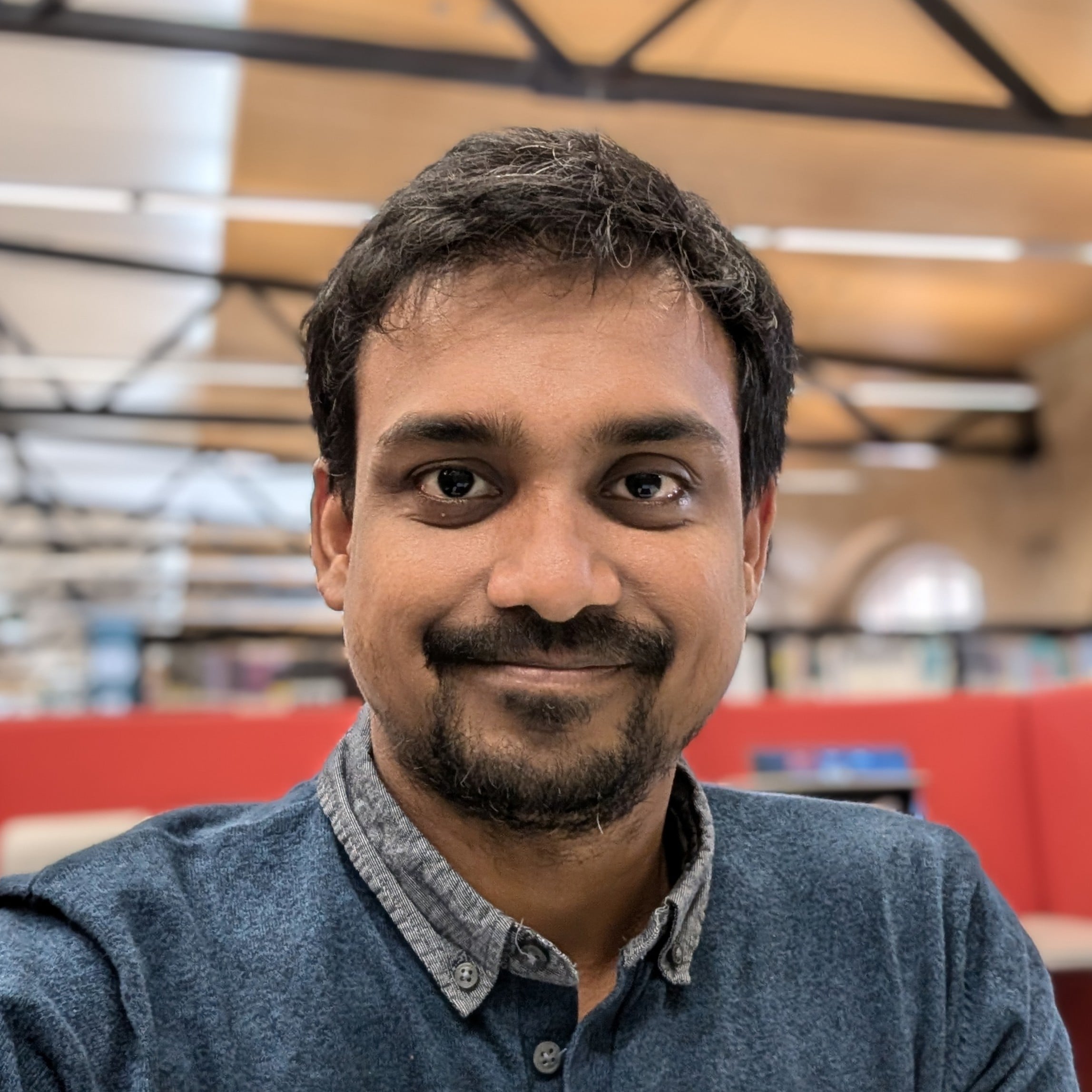
Full abstract
This talk explores the development and real-world application of Artificial Intelligence–driven robotic and humanoid automation in laboratory research, healthcare environments, diagnostic systems, and industrial manufacturing. The session will discuss how intelligent automation platforms are transforming modern laboratories, hospitals, and production facilities by improving precision, safety, efficiency, and scalability.
The presentation will also cover the use of AI-controlled robotic systems in agriculture, warehouse and supply-chain operations, food production, and retail automation, demonstrating how autonomous and semi-autonomous technologies are reshaping multiple sectors. Practical examples of laboratory automation, robotic assistants, smart monitoring systems, and intelligent control platforms will be presented, together with discussion on future humanoid automation and fully autonomous research environments.
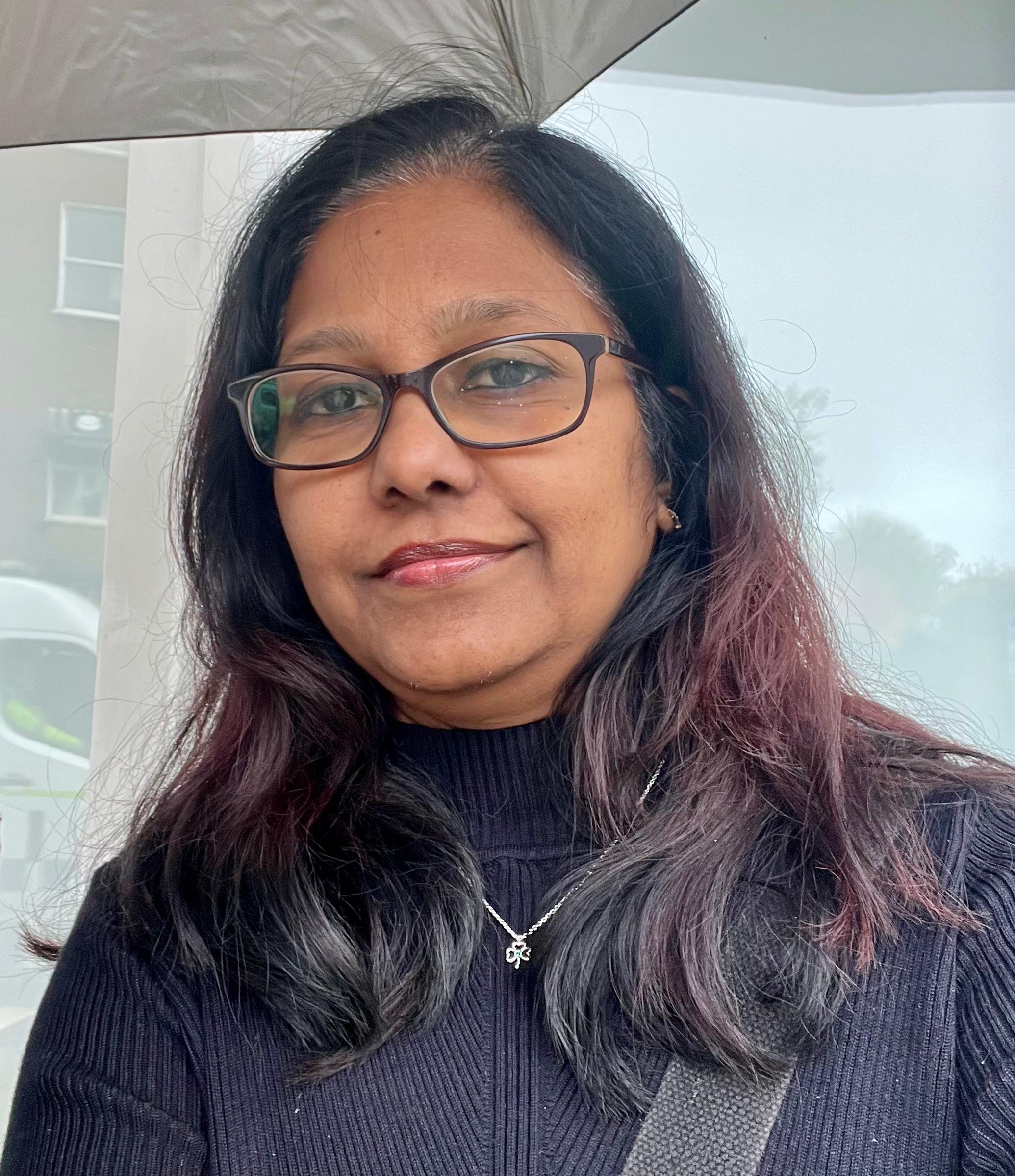
Full abstract
Generative AI has transformed how we search, create and interact with information. The next evolution is Enterprise Agentic AI — where AI moves beyond answering questions to understanding goals, reasoning over context, using enterprise knowledge, interacting with tools and APIs, and taking actions within business workflows.
This session explores how organisations can move from traditional AI assistants and copilots towards intelligent agent-driven business applications, covering the evolution from AI Assistants to Enterprise Agentic AI, what makes a system truly agentic, using RAG and enterprise knowledge (MCP, integration layers) to ground agents in business context, single- and multi-agent architectures, human-in-the-loop governance and auditability, and practical enterprise use cases across recruitment, financial services, customer operations and workflow automation.
Drawing on her work architecting Derbee Agentic Studio and applying the Derbee Agentic layer within Stynt.ai, Sujatha will share a practical perspective on embedding intelligent agents into applications as a reusable data, intelligence and workflow orchestration layer.
Key takeaway: Beyond Answers → Into Reasoning → Into Decisions → Into Action.

Full abstract
Organisations generate enormous quantities of information, yet the evidence needed to understand decisions is often fragmented across emails, meetings, systems and records. Drawing on Keith Brown's MBA research across 154 UK charities and Community Interest Companies, this talk explores how AI may reduce the effort required to find, connect, compare and challenge organisational evidence. It distinguishes model, system and governance risk while considering provenance, auditability, behavioural bias, privacy and human accountability across RPA, IPA and agentic systems, ultimately asking whether cheaper scrutiny will make governance more demonstrable or create stronger ways of controlling the organisational record.

Full abstract
Most people use a mainframe every day without knowing it – when you tap your card, book a flight, or take cash out of an ATM, a mainframe is often doing the work behind the scenes. This talk explains what a mainframe actually is, in plain language, and why people are wrong to think of it as old or dying. We'll look at how it's built to never go down, how it can run software from decades ago without rewriting it, and why banks and airlines still trust it with their most important systems. We'll also talk about why there's a real shortage of people who know how to work with mainframes, which is good news if you're early in your career. Right at the end, we'll touch on one surprising thing: even though mainframes are everywhere, almost nobody can clearly explain what they cost to run, and why that's starting to change.
Key takeaways: you'll understand what a mainframe really is, and why "legacy" is the wrong word for it; see why mainframes are still critical today, and why there's a growing need for new people to work on them; and learn why the cost of running a mainframe is surprisingly hard to see, and why that matters.
Why now: most people, even in tech, don't realise how much of everyday life still depends on mainframes, and a real gap is opening up as experienced staff retire. At the same time, organisations are starting to pay more attention to what these systems cost to run.

Full abstract
Product teams can deliver a solution on time, within budget and against an agreed specification, yet still fail to create meaningful value. This happens when teams become more confident about the solution than they are curious about the user. A user mindset provides a practical way to correct that imbalance. It asks product professionals to understand the task people are trying to complete, the context in which they act, the constraints they face and the outcome that matters to them.
This session explores how a user mindset changes product delivery from discovery through to benefit realisation. It shows how user evidence can expose costly assumptions, improve prioritisation, reduce unnecessary scope and create stronger measures of success. The talk also distinguishes what users say from what they do and what changes as a result, explaining why interviews, observation and product data work best when used together.
Attendees will leave with a simple LENS framework: Listen to the user’s task and context, gather Evidence, Narrow the solution to the smallest useful change and See what happens after release. The framework can be used in backlog refinement, sprint planning, reviews and roadmap discussions to keep delivery connected to real user outcomes.

Full abstract
Building an AI agent is only the first step. A real agent needs a strong harness around it — the system that controls how the agent thinks, uses tools, manages memory, handles errors, tracks cost, and responds safely.
Without a good harness, even a powerful model can become expensive, slow, unreliable, or difficult to debug. This is why agent optimisation is so important.
In this session, we will explore how to design agents that are not just smart, but also practical for real-world use. We will look at how to reduce token usage, choose the right model for the right task, improve tool calling, manage context, add evaluation checks, and monitor cost before deploying agents into production.
The goal is to help developers move from “I built an agent” to “I built an agent that is reliable, efficient, and ready to use.”

Full abstract
Modern organisations generate and use data spread across multiple applications, databases, teams and data products. While organisations can move data between these systems, business concepts may be defined and represented differently. A customer, asset, product or transaction, for example, may have different definitions across systems or business functions. This can create ambiguity, duplication and considerable effort in reconciling data before it can be trusted and reused.
Ontologies and knowledge graphs provide a way to create a common enterprise language without replacing existing systems or forcing diverse enterprise data into a single, monolithic data model. Semantic mappings connect local data structures to shared concepts, allowing information from different systems to be integrated and kept semantically aligned. Controlled vocabularies using the Simple Knowledge Organization System (SKOS) can align different terms, synonyms and related concepts. Ontologies make business concepts, relationships and rules explicit, while constraints define what valid and consistent data should look like.
Building a common language starts with the questions an organisation needs its data to answer. These can be translated into competency questions that guide ontology design, semantic mappings, knowledge graph construction, constraint validation and inferential reasoning. The resulting knowledge can then be made available to applications, analytics and AI. This enables people, systems and AI applications to interpret and use enterprise information more consistently across organisational boundaries.
The impact can be measured through fewer conflicting or duplicated definitions, reduced manual data reconciliation and greater reuse of agreed concepts. Other measures include improved cross-system query capability, faster integration of new data sources and improved data quality. Greater traceability can also support more explainable enterprise decisions. A common enterprise language therefore goes beyond data standardisation. It provides a foundation for interoperability, governance, analytics, AI and decision intelligence, turning fragmented enterprise data into connected, contextualised and reusable knowledge.
Full abstract
This talk explores the reality of the digital divide in Africa—moving beyond the common narrative of limited internet access to uncover the deeper challenge: the gap in digital skills, opportunity, and inclusion. While connectivity is improving across the continent, millions of young people still lack the knowledge and pathways needed to fully participate in the digital economy.
Drawing from real-world experience in technology, community leadership, and youth engagement, Sobere Opusunju shares practical insights into how we can shift from simply providing access to creating meaningful opportunities. The session highlights the critical role of education, mentorship, and locally relevant digital skills in empowering the next generation.
Through examples and lived experiences, this talk will challenge assumptions, spark new thinking, and offer actionable strategies for individuals, organizations, and communities looking to make a tangible impact.
Attendees will leave with a clearer understanding of what it truly means to bridge the digital divide—and how they can contribute to building a more inclusive and opportunity-driven digital future for Africa.

Full abstract
This session explores the gap between academic learning and workplace readiness — covering practical experience, confidence, communication, mentoring, professional communities, and stronger collaboration between education and industry, to help students move from qualification to real workplace capability.

Full abstract
AI agents can now read documents, match records, draft invoices and write meeting minutes, yet most organisations cannot say what their agent is allowed to see, what it may decide, or how a mistake would be caught. Drawing on earlier data quality experience in utilities and professional services and on systems built in the INNOVATION FORUM Foundry for Innovation Forum, this talk sets out the engineering patterns that make agentic work safe to adopt: sealing sensitive data away from the model, extraction contracts with provenance, reconciliation against a single source of truth, and human authorisation before anything leaves the building. It then asks who gets left out. Open source and small language models running on modest hardware put these patterns within reach of charities, councils and small firms that cannot afford enterprise platforms, and low-code validation lets non-programmers check the results. Smaller models and processing each item only once also cut the energy and carbon cost of every task. Finally, it treats bias as an engineering control: statistical bias in the data is measured, behavioural bias in the people using it is governed, and every decision can still be traced to a person.

Full abstract
Security Operations Centers are facing growing volumes of alerts, increasingly sophisticated attacks and a shortage of skilled security professionals. Traditional SOCs still rely heavily on analysts to investigate alerts, correlate events and determine the appropriate response across multiple security tools.
This session explores the evolution towards the AI Autonomous Cyber SOC — where AI can continuously analyse security telemetry, correlate events, identify anomalies and attack patterns, support investigations, prioritise threats and accelerate response.
The session will examine how AI can move the SOC beyond simple automation towards an intelligent operating model in which AI assists with detection, investigation, threat hunting and response, while humans retain appropriate oversight and accountability.
It will also explore the practical challenges of autonomous security operations, including explainability, AI accuracy, access controls, governance, human-in-the-loop decision-making and determining which actions can safely be automated.
Attendees will be introduced to a practical maturity model showing the journey from traditional SOC → automated SOC → AI-assisted SOC → AI-driven SOC → governed autonomous SOC, providing a framework for organizations considering how to introduce AI into their security operations.
Full abstract
University research can create value long before it generates revenue, yet investors often lack ways to assess that value or identify who benefits. Dr. Proselkov will present a proposed world model for tracing how research generates practical, societal, and financial impact via the stakeholder network, following a normative-empirical approach to determining objectivity through stakeholder networks. The model connects universities, investors, practitioners, and beneficiaries, linking evidence of progress to each stakeholder’s goals and capacity to act. It explores how the same research can produce different outcomes depending on who provides funding, access, expertise, or routes to adoption. The aim is to support earlier investment and more effective coordination, with impact assessed through evidence gathered as projects develop.

Full abstract
Artificial Intelligence has become a strategic priority for organisations across every industry, yet many AI initiatives continue to struggle in delivering meaningful business outcomes. While businesses are generating more intelligence than ever through predictive models, Generative AI, and advanced analytics, the expected improvements in operational performance, efficiency, and commercial value often remain elusive.
This session explores the critical gap between AI-generated insight and real-world execution. Rather than focusing solely on models and technology, it examines why successful AI adoption depends on strong foundations in data, enterprise architecture, governance, and operating models. Through a practical business case, the session demonstrates where AI initiatives typically break down, why intelligence alone is not enough, and how fragmented workflows, disconnected systems, and unclear decision ownership prevent organisations from realising value.
Attendees will gain a practical framework for designing AI systems that do more than generate recommendations—they enable timely decisions, integrate seamlessly into business processes, and drive measurable outcomes. The session concludes with actionable guidance on how organisations can move beyond AI experimentation to build scalable, trusted, and business-focused AI capabilities that deliver sustainable impact.
The hackathon: Beyond the Mainframe
A one-day version of Innovation Forum's Beyond the Mainframe challenge, built jointly by the branch and Innovation Forum. Teams get synthetic IT cost, usage and carbon data, and have one job.
Find a single insight a finance director could act on.
Not a dashboard, not a model. One finding, with the reasoning shown.
Four ways in
You don’t need to be a coder. Every team needs all four skills, so first-time learners and members of the public work alongside experienced developers, and everyone contributes something the team needs.
The challenge follows the BCS professional-standards theme, so it’s about sound, defensible work as much as code.
How the day runs
📜 Everyone who takes part receives a certificate of participation.
💻 PCs are provided in LB216, but you’re welcome to bring your own laptop.
52 years of the branch
From hotel function rooms in Hemel Hempstead and St Albans to the University of Hertfordshire, we’ve hosted speakers including Sir Edwin Nixon of IBM UK, Michael Jackson, Neville Lyons of J. Lyons & Co., Professor Mark Maslin and several BCS Presidents.
The digital world is changing. So is your Chartered Institute. A more diverse branch has been born and a better connected Hertfordshire is on its way: 52 years as a community of IT professionals, connecting Hertfordshire with the rest of BCS and making us 1% of the entire BCS network.
Parts of our early history are still missing. If you have old programmes, photos or memories of the branch, please get in touch or talk to a committee member on the day.
Partners
BCS Hertfordshire organises this conference with support from our partners and from across the BCS community.
 Venue partnerUniversity of HertfordshireOur venue partner for the second year running, and home to the branch's meetings since the 1990s. A forward-looking university with close links to industry, it has been a generous host to Hertfordshire's IT community for three decades.
 Programme & hackathon partnerInnovation ForumA global network connecting innovators, industry and investors to turn ideas into real-world impact. Innovation Forum contributed three of this year's speakers and co-created the Beyond the Mainframe hackathon with the branch. If you're building something new, it's a network worth knowing.
With support from across BCS
 BCS, The Chartered Institute for ITThe professional body for IT, setting standards and supporting careers from student to Chartered IT Professional. The Institute's central team backs the branch every step of the way.
 BCSWomenThe BCS specialist group for women in IT and computing, offering networking, events and support, and championing a more inclusive profession for everyone.
 BCS SIGISTThe BCS Special Interest Group in Software Testing, a well-established community where testers at every stage share practice and keep their skills sharp.
 BCS Beds, Bucks & Northants BranchOur neighbouring branch, serving IT professionals across Bedfordshire, Buckinghamshire and Northamptonshire with a programme of talks and events. Well worth following if you're nearby.
Where it started
For over 50 years, BCS, The Chartered Institute for IT, has had a home in Hertfordshire, and its strength has always been the professionals in our community. In 2025 we brought that community together for our first community conference at Spectra, University of Hertfordshire, in the County of Opportunity: a day of sharing knowledge, making connections and a little friendly competition.
Speakers and exhibitors came from Microsoft, IBM, State Street, Essist, ARNA Genext Solutions, CreditCliq and the Eastern Cyber Resilience Centre, alongside Koru Education, the Department for Education and Sidma Events & Entertainment. This year we're building on it: a day to celebrate BCS in Hertfordshire, meet the people who make it, and get more from your BCS membership.
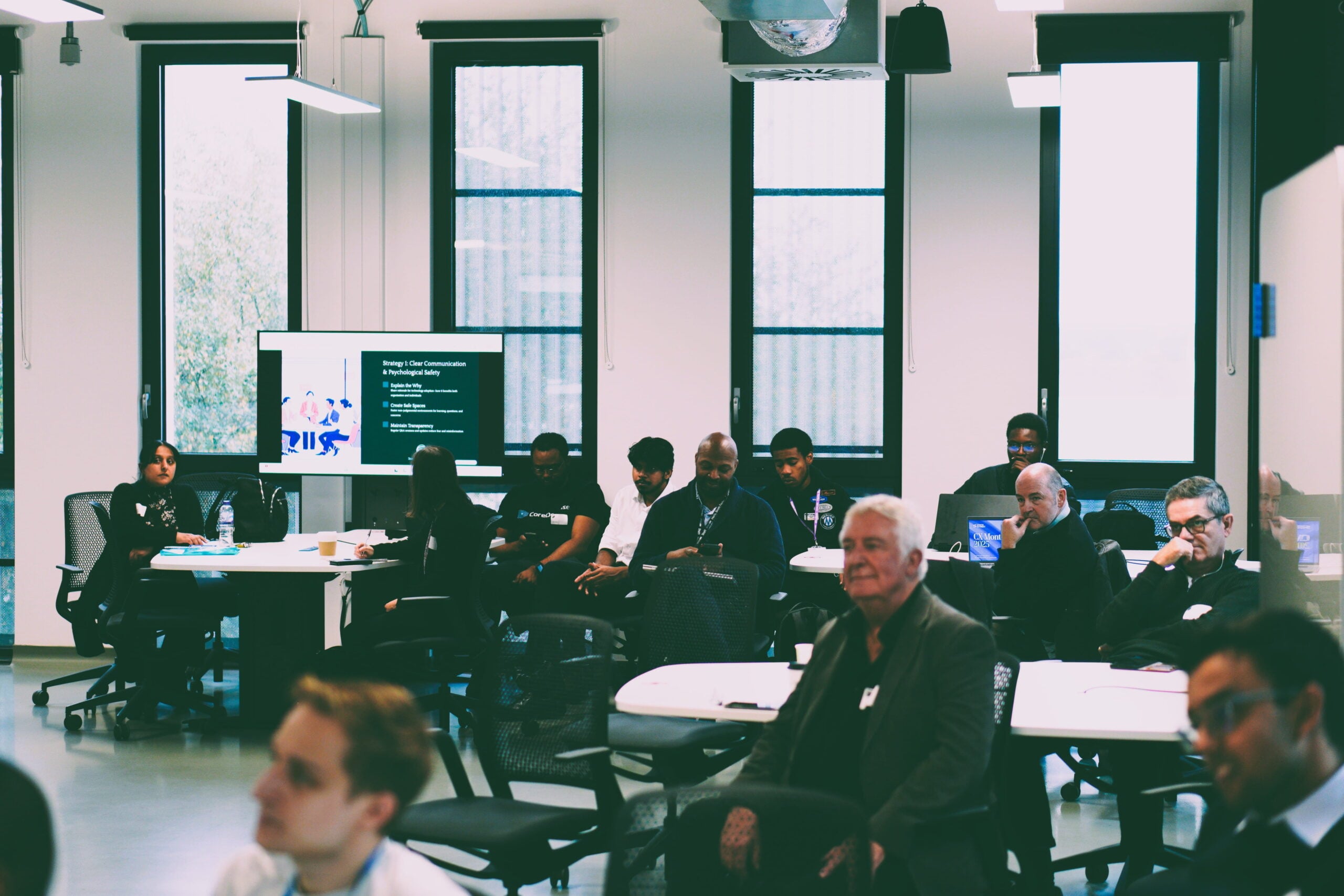
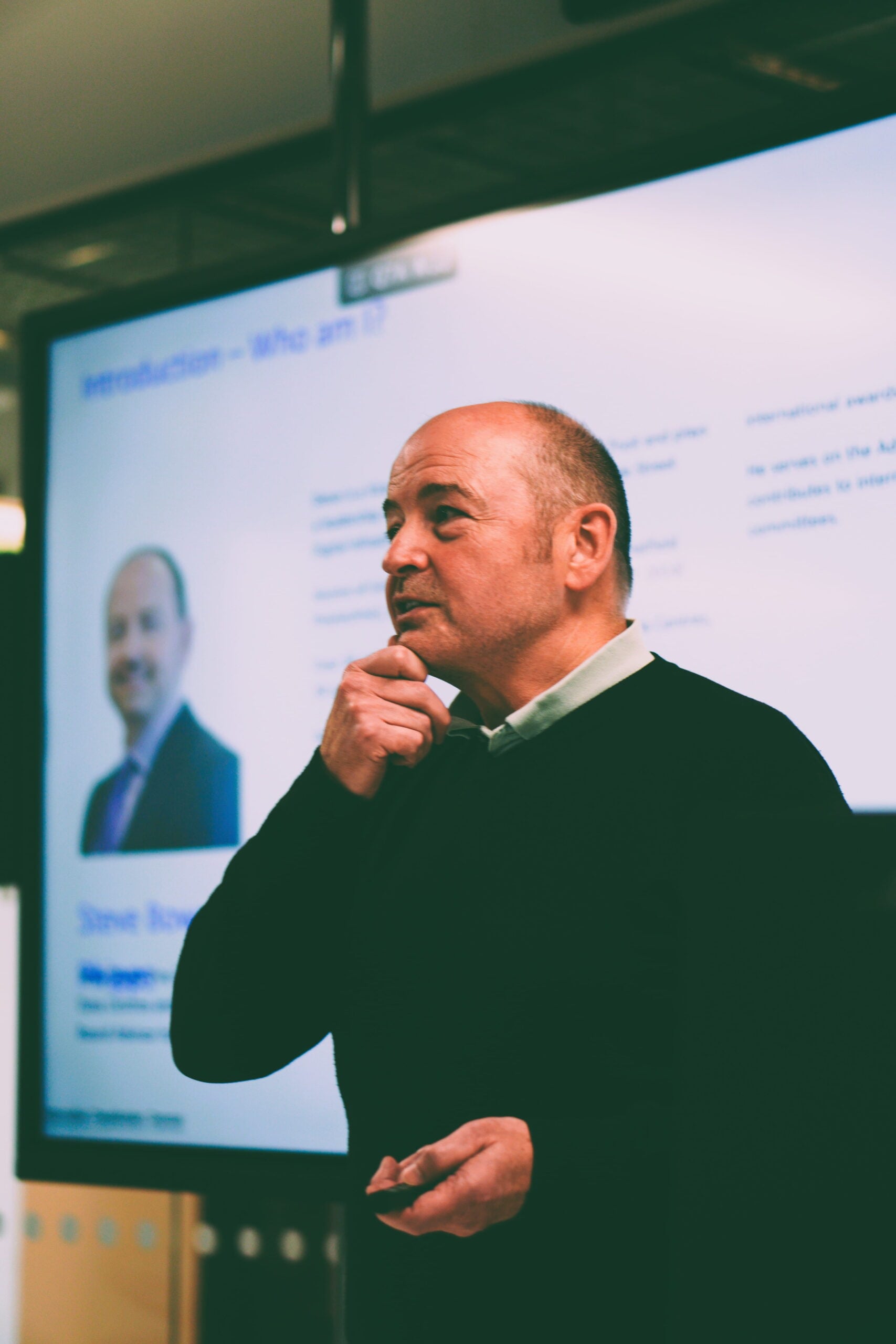
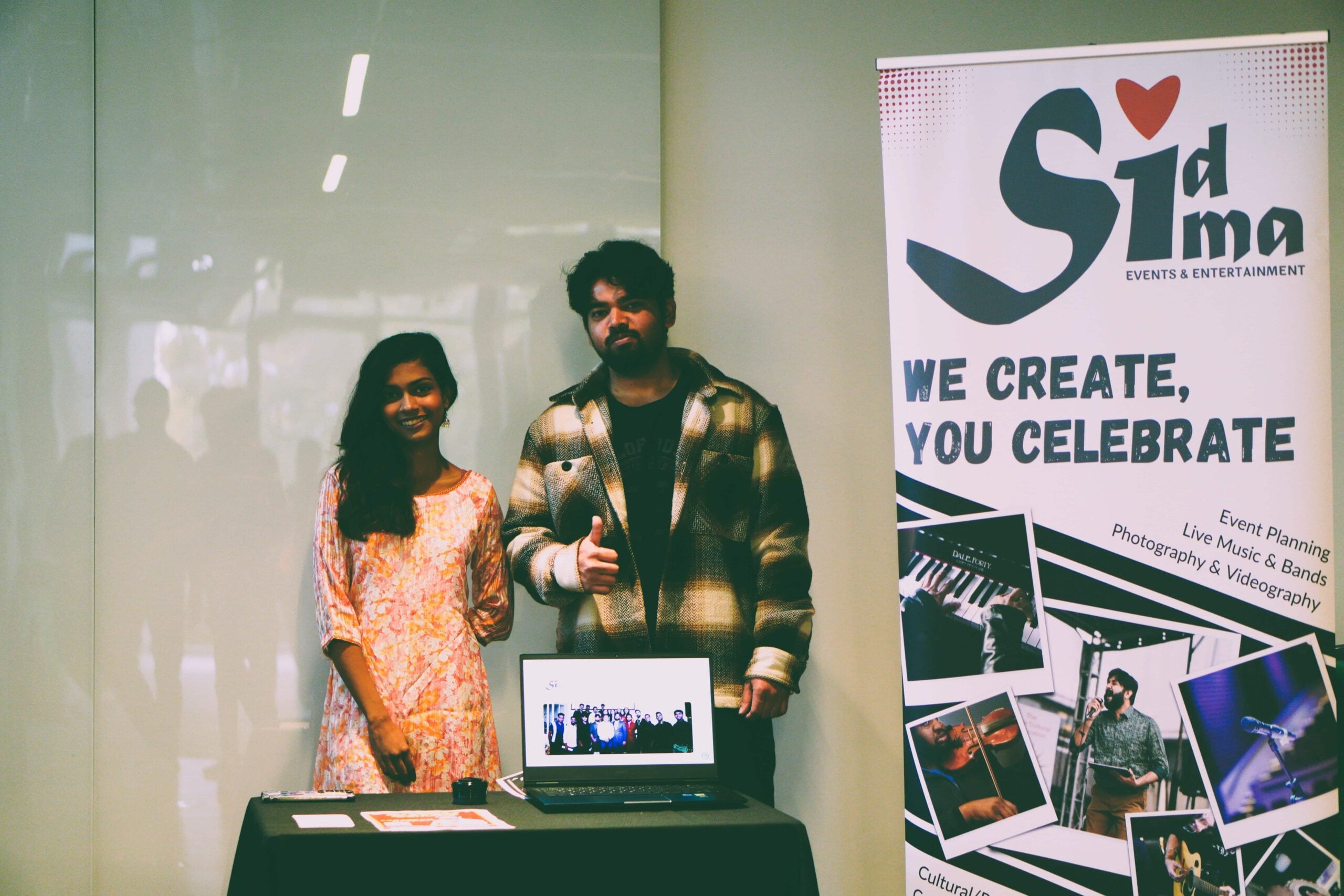
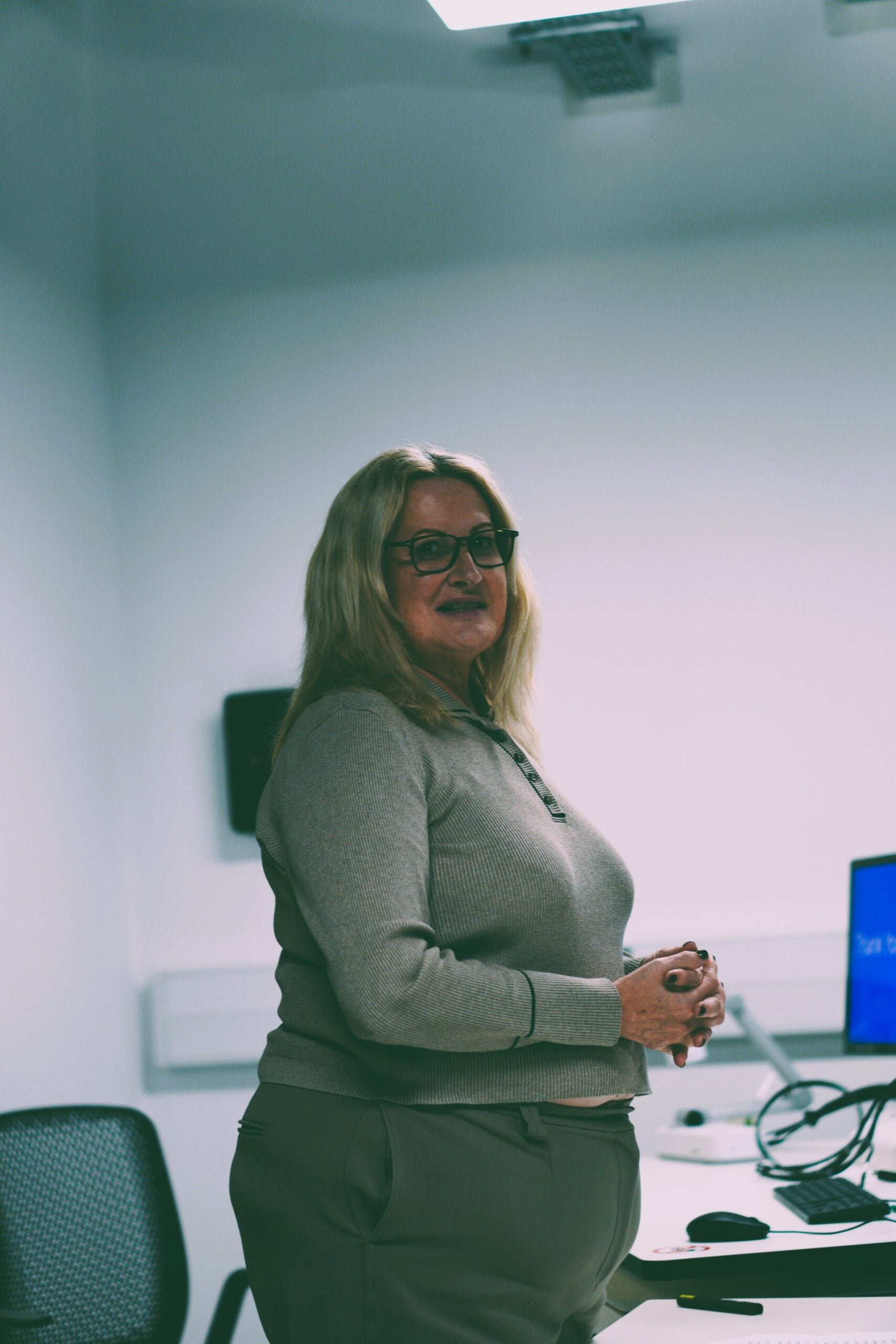
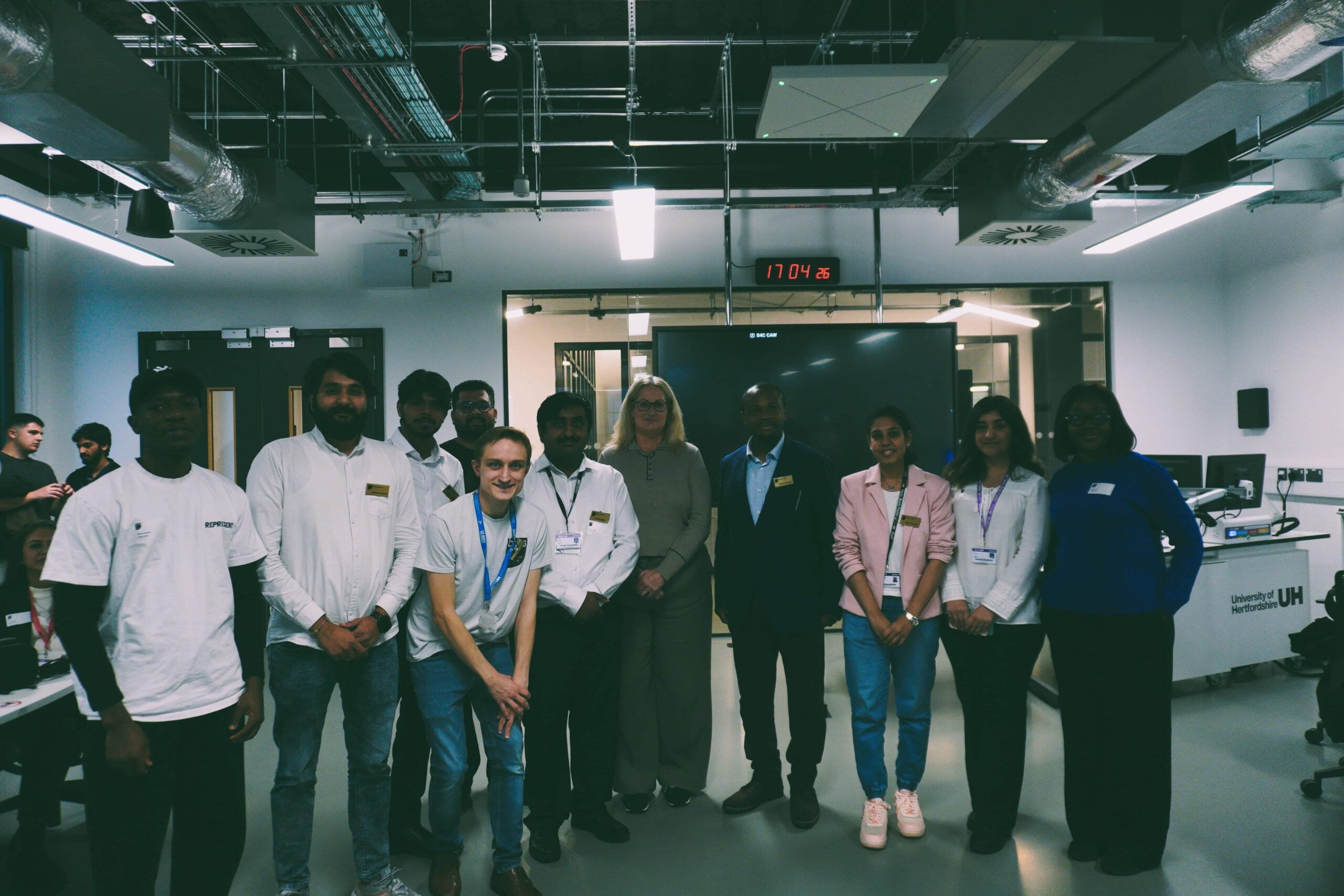
Our first community conference, 2025.
Run a stand on the day
Want to be part of it this year? Careers stands, product demos, robotics, retro computers: if it’s interesting, bring it. Stand space is free, with tables and power provided.
Can I sell things at my stand?
Yes, if it’s relevant to the event. Bring your own card reader and signage.
When can I set up?
From 08:30.
Questions or access needs?
Places are limited, so please book early. For accessibility requests or anything else, contact the committee.
Location
University of Hertfordshire, Hatfield
Cost
Special rates for members and students
Booking
Get tickets: https://Hertfordshire301026.eventbrite.co.uk
Last updated 9th October, 2026 at 8:06am